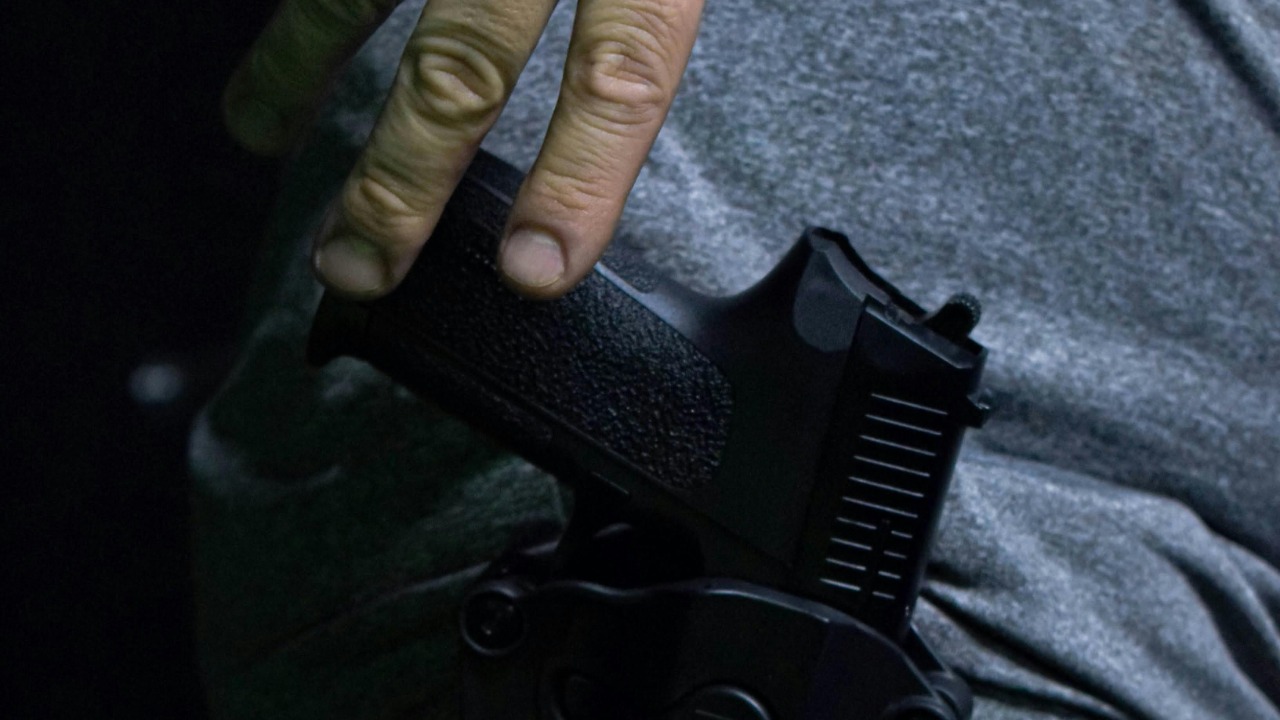
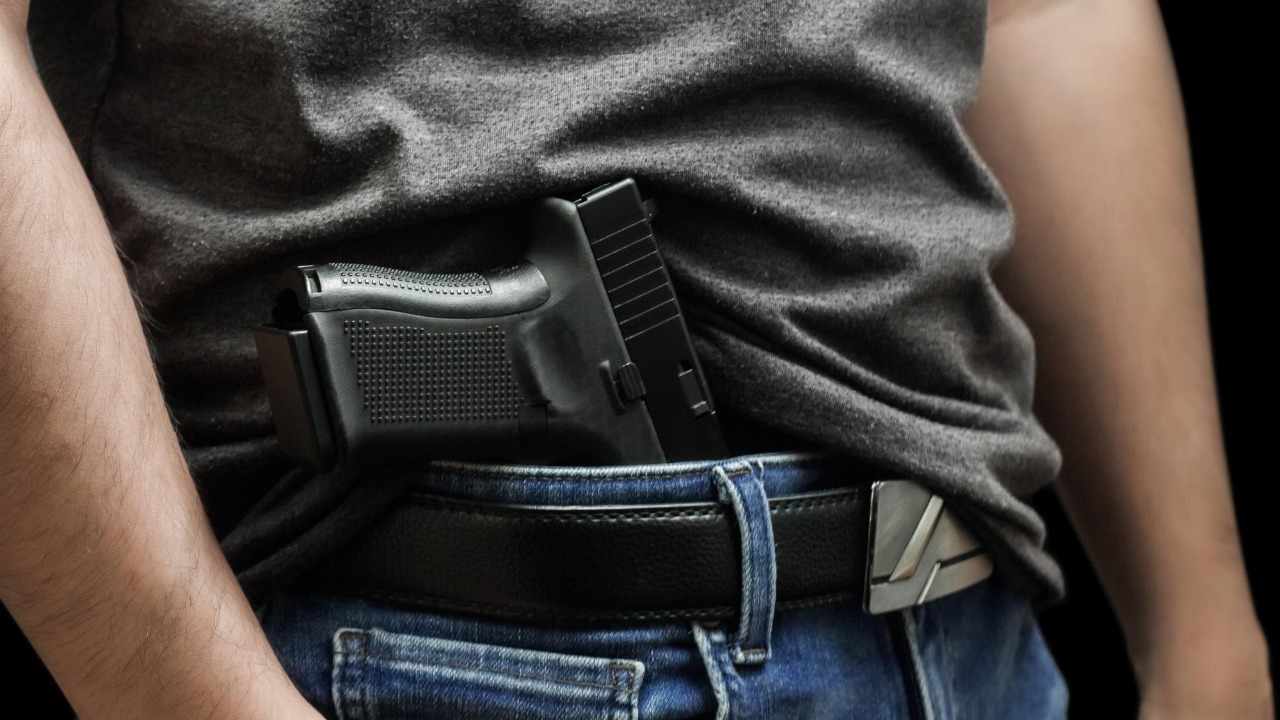
Concealed carry culture is full of confident advice that sounds airtight in a calm classroom or on a sunny range. Under real stress, though, some of those “rules” fall apart, colliding with human physiology, legal reality, and the messy way violence actually unfolds. The gap between what feels smart and what works when your heart rate spikes is where armed citizens get hurt, or end up in handcuffs.
I have spent years listening to instructors, watching body‑cam footage, and talking with everyday carriers who have lived through critical incidents. Again and again, the same patterns emerge: bad guidance repeated as gospel, good ideas taken to unhelpful extremes, and almost no appreciation for how stress reshapes your body and brain. The most responsible carriers are the ones willing to question the clever one‑liners and replace them with habits that survive chaos.
Stress physiology: why “I’ll rise to the occasion” is a fantasy
In calm conditions, most people can run a drawstroke, hit a silhouette, and recite the four rules of gun safety. Under threat, the body does something very different. Elevated adrenaline narrows your field of view into classic Tunnel vision, spikes your heart rate into the red, and produces Increased tremors and Impaired decision‑making. Fine motor skills degrade just when you need them most. That is why the comforting belief that you will simply “switch on” and perform like an action hero is so dangerous.
Experienced trainers warn that Switching on is not a button you press in the parking lot, it is a mindset and skill set you build long before trouble finds you. That means pressure‑testing your draw, movement, and decision‑making so they hold up when Murphy shows up. As one set of defensive tips puts it, Murphy can appear at the worst possible moment, turning a simple fumble into a life‑threatening failure. The advice that survives stress is the advice that accounts for how your body will betray you.