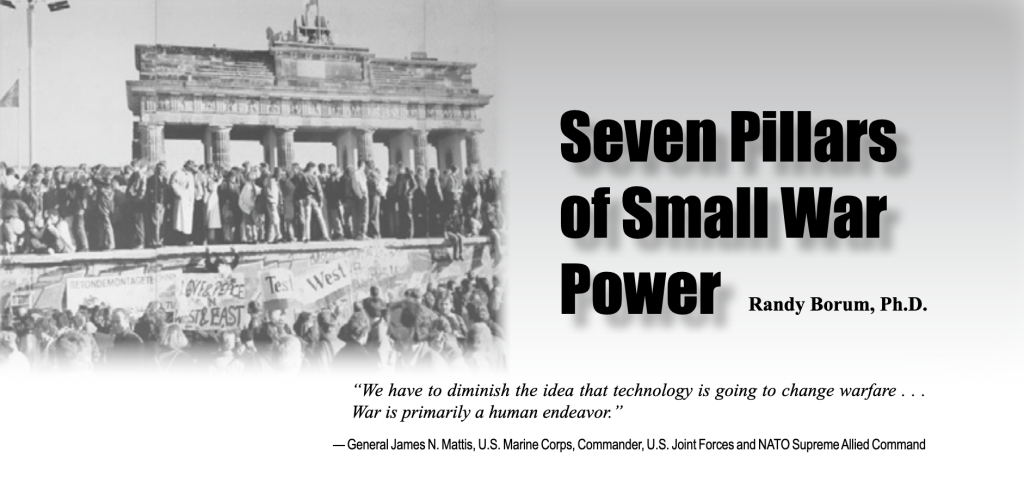
THE WORLD SEEMED to breathe a collective sigh of relief at the end of the long Cold War. That momentous event, however, did not mark the end of global armed conflict. While the number of armed conflicts worldwide has been declining since peaking in the early 1990s, and a conventional war between two large states seems unlikely to occur in the foreseeable future, community conflicts and a “growing number of increasingly disorderly spaces” that may facilitate even more such conflicts now characterize theglobal security environment.
Citizens of our globalized community may no longer need to lie anxiously awake in their beds at night, wondering if the world will be there in the morning, but the current climate of disorder may cause death by a thousand small cuts. These are “small wars, insurgencies, localized intrastate civil conflicts that emerge from disruptive political, economic, and social problems. Nearly 80 percent of the surges in armed violence over the past decade were recurring conflicts, which should remind us—if we needed further reminding—that attending to post-conflict transitions is an integral part of any intervention.