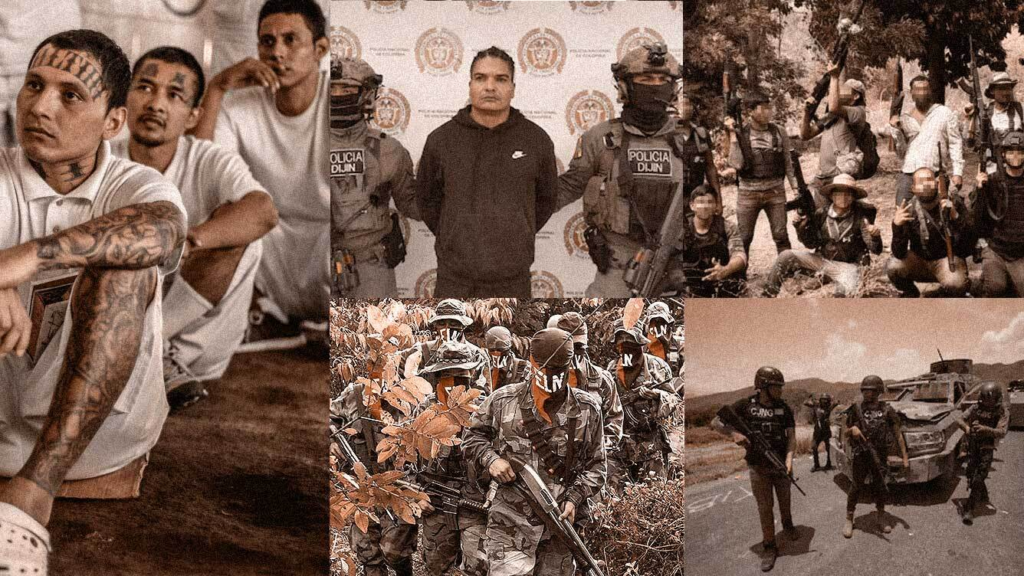
This year saw critical changes within some of the most notorious criminal organizations in Latin America and the Caribbean, reflecting their resilience and vulnerabilities.
The region’s most powerful criminal groups continue to threaten public security. From internal disputes that unleashed waves of violence to intensified repression by authorities, these groups adapt and evolve year after year, often exacerbating instability and fueling cycles of violence.
Here are InSight Crime’s five most-read profiles of groups that have shaped the underworld over the past year.
1. The Sinaloa Cartel: A Rift Between the Chapitos and El Mayo
The Sinaloa Cartel experienced one of its most dramatic years yet with the outbreak of tensions between El Mayo Zambada‘s faction and that of the Chapitos. Following the capture of El Mayo in an alleged kidnapping by one of the Chapitos, clashes between the “Chapiza” and the “Mayiza” factions of the cartel escalated, probably driven by a settling of scores. This internal rift highlighted a critical juncture for the group that raises questions about the future of one of the most important drug trafficking and organized crime networks in the region.
2. Tren de Aragua: A Spreading Infamy Amid a Leadership Fracture
Venezuela’s Tren de Aragua, a gang that Donald Trump constantly mentioned during his presidential campaign this year, expanded its regional reach. However, many alleged members have been identified only by their Venezuelan nationality, and the frequency of imposters makes it difficult to distinguish actual members from pretenders. A series of blows, including high-profile arrests of its leaders, highlighted vulnerabilities within the gang. As authorities in several countries tighten controls to contain the organization’s growth, it remains to be seen whether Tren de Aragua can maintain its transnational influence.